It’s been almost a year since my last writing. I suppose I’ve reached that point in my career where I’ve seen just about everything. But we had a new project recently where I was able to see a few new things. I don’t think I can say much about the project itself but, suffice it to say it is in an area pretty far from any developments and largely untouched by humans for nearly 100 years. From what I gather, these things that were new to me, despite living in this same state for 45 years, are not necessarily uncommon. I just haven’t had the pleasure of coming across them. So here are a few new things I’ve come across (no particular theme for this one).
One new animal that I have heard of before, but just never have come across is a bird called the American Redstart (Setophaga ruticilla). The bright red-orange patches contrasting with the black top and white belly made identifying this bird easy, despite its swift flights through the trees (so swift that I, unfortunately, was unable to get a photo). These birds migrate through most of Florida and stay in the extreme southern part of the state during the non-breeding season (November-March), so this one was probably stopping by on its way north.
If you read my blog regularly, you know I am a fan of looking into where scientific names come from. Well, the common name of this one is interesting as well. The “red” just refers to the bright colors. The “start” comes from an Old English word steort, meaning “tail”. These bright colors aren’t just for impressing the ladies as in other species. In fact, female redstarts also have vibrant colors in their tails – yellow instead of the red and orange. When hunting insects, they flash these bright colors and startle their prey.
The genus name comes from the Greek ses, meaning moth, and -phagos, meaning eats, clearly referring to their favorite insect on which to dine. The species name has pretty much the same origin as the common name, this time getting its roots from Latin – rutilus meaning “red” and cilla meaning “tail”.
Ok, I know – that was a lot of words with a disappointing lack of photos. Hopefully the following will make up for it. This next guy is so common that it is actually seen as a pest in homes with exposed wood components. I actually would never have seen it this time, had it not been for the leftovers it was leaving behind. It looked like someone had been sawing wood in the area.
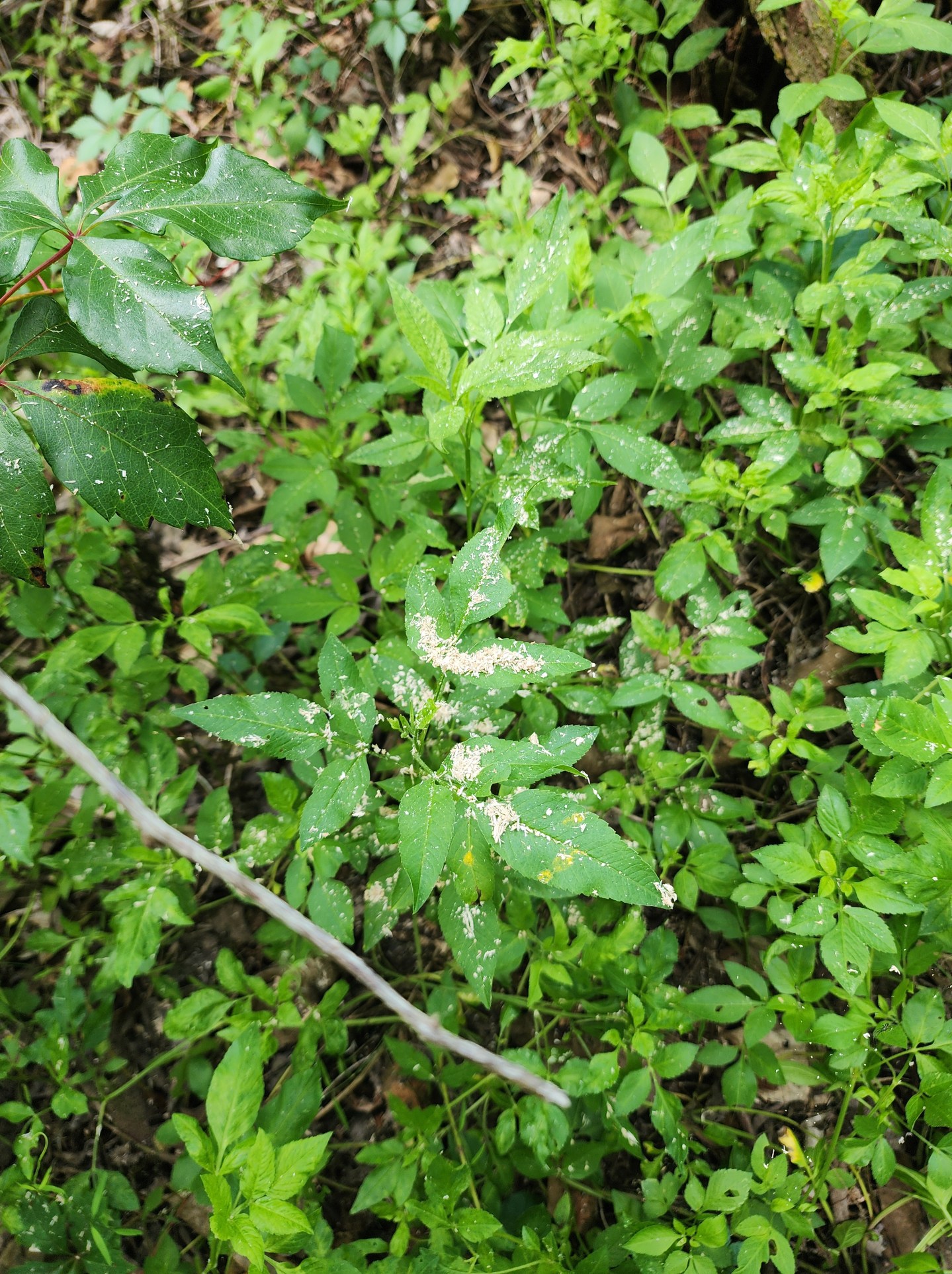
A quick look around revealed a very hard working carpenter bee. We have a few species in Florida, but I couldn’t identify this one because I would need to see parts of the body that were hidden while she diligently worked on her burrow.
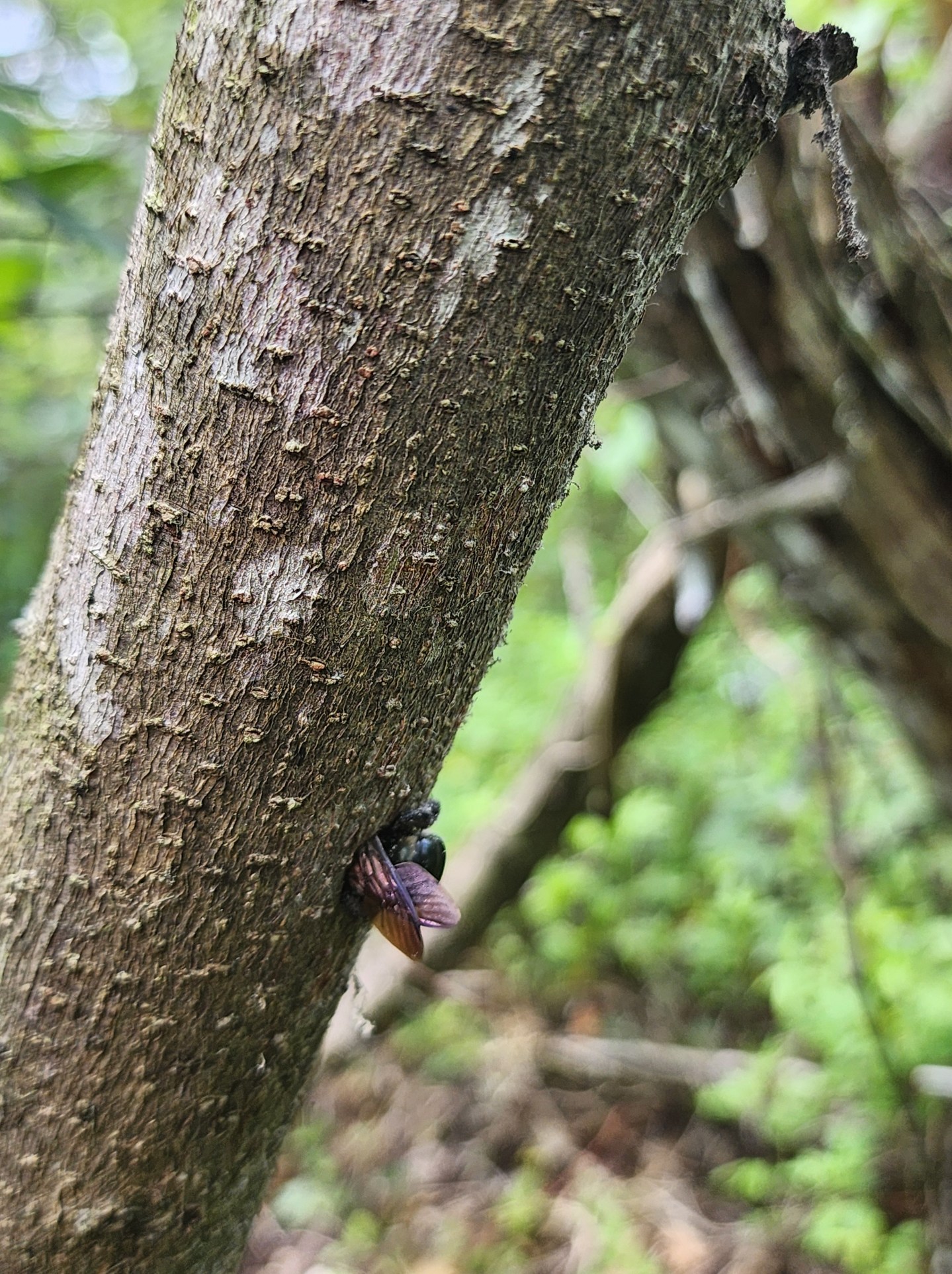
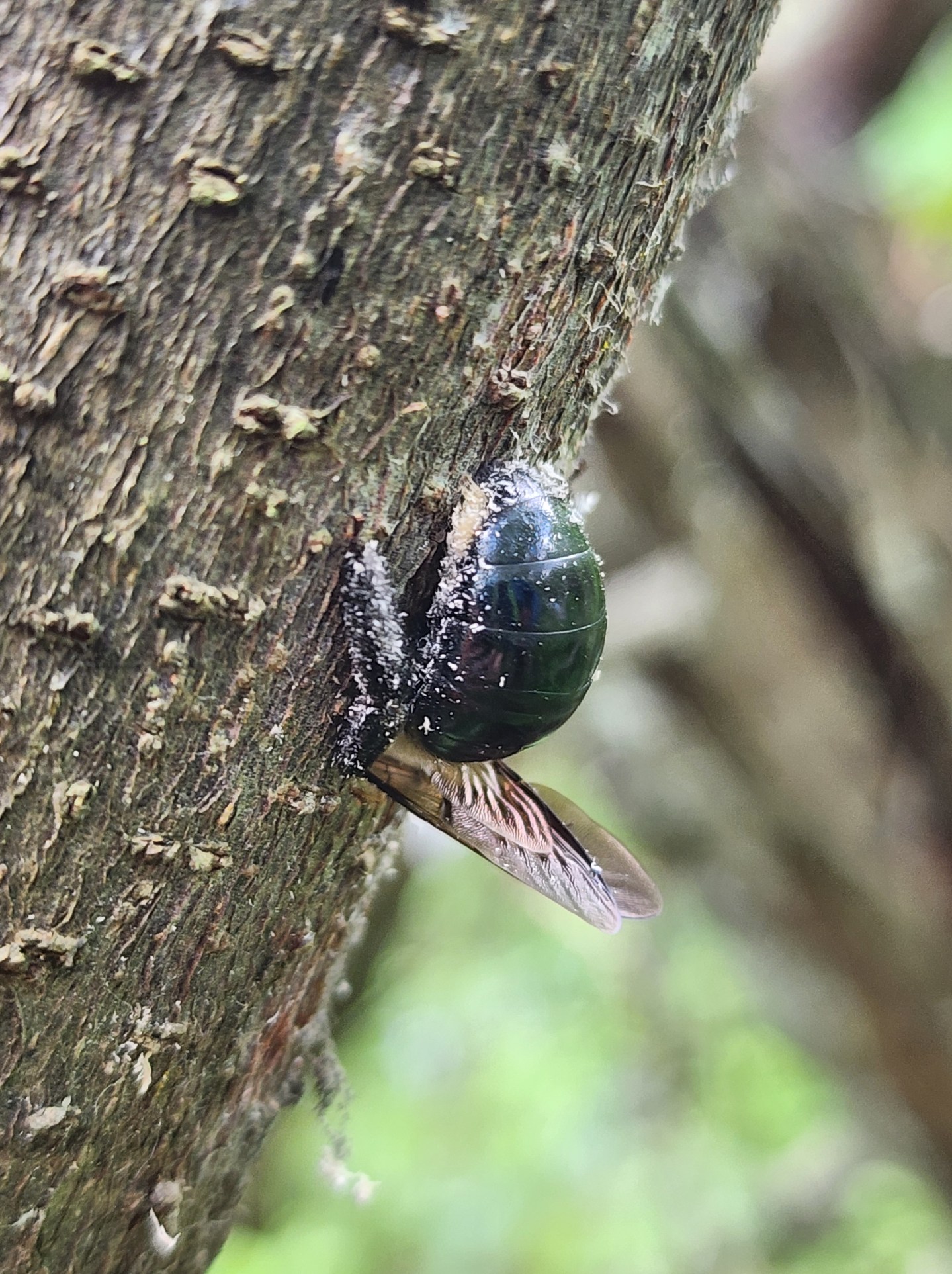
While they can definitely to damage to decks and other wooden structures, she isn’t really harming the tree, although repeated burrows could harm it eventually. And yes, it is a female because only the females drill like this. She will drill in and then make a 90-degree turn, making several cells in which she will lay her eggs. She doesn’t eat the wood, which is why there is so much left behind. Like other bees, she is a very important pollinator. So, while it is important to protect your home from them, we have every reason to want them around. In addition to the drilling, female carpenter bees are also the only ones that can sting. However, they are very docile and you would really have to be a threat (like grabbing one) to be stung. We just stood in awe at its incredible work ethic, really bringing to life the term “busy bee”. Turn on the sound if you’d like to hear a very loud Carolina Wren.
Sticking with bugs, I saw another one that apparently is pretty rare. I say this because I had the pleasure of speaking to someone who is a local bug expert and she said she was jealous that I saw one. This beauty is the Spanish moth (Xanthopastis timais).
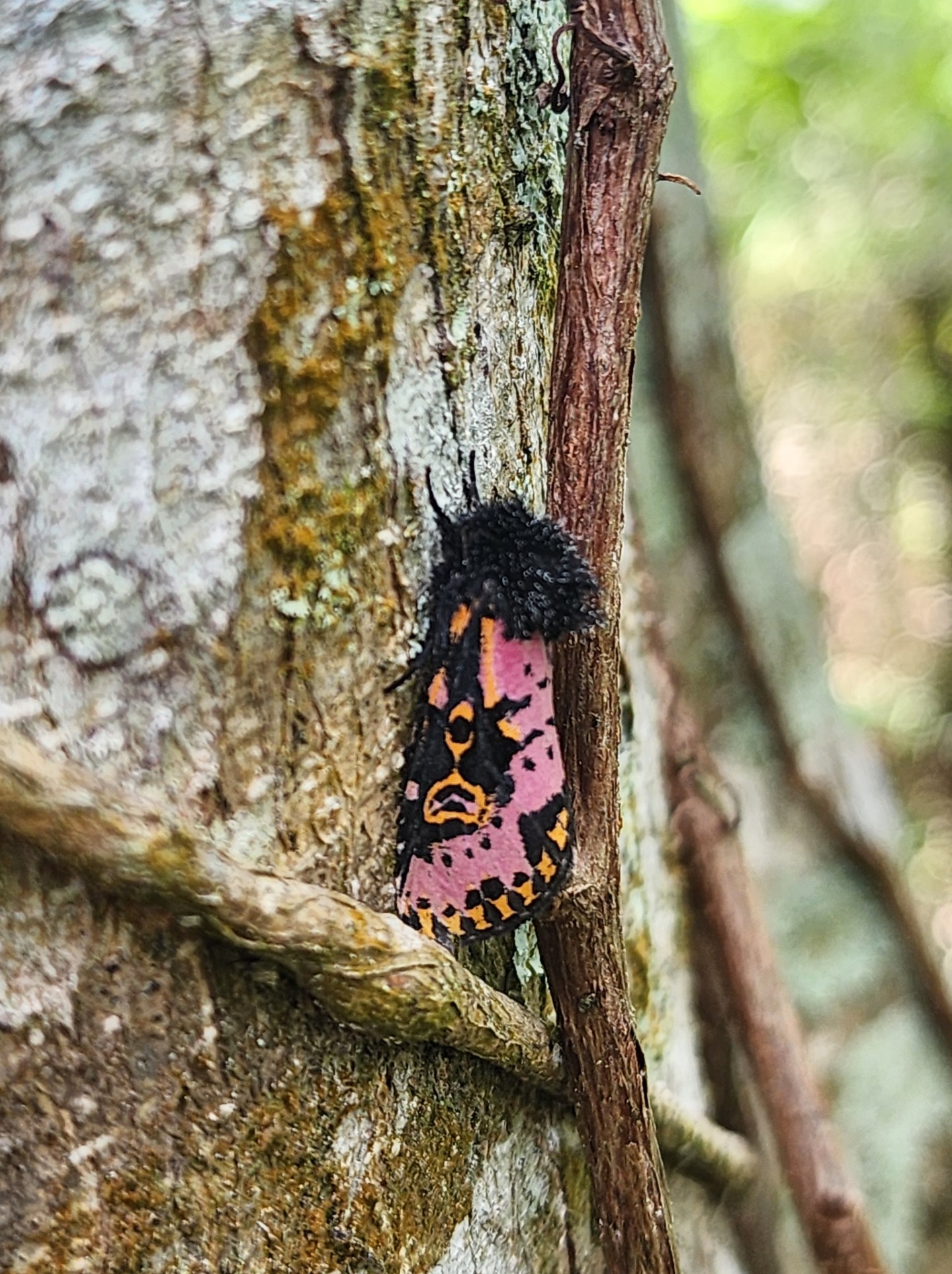
The genus comes from the Greek xanthos, meaning “yellow”, and pastis, meaning “sprinkled” or “strewn”. While I’m not 100% sure of the species name, I did find that timaeus is Greek for “valuable”. The caterpillar of this moth is known as the convict caterpillar, which I can only guess is so named due to the black and white stripes.
One more bug. This one I was not able to really get in its natural environment. They were swarming around our trucks along with their black cousins, which I’ve seen far more of elsewhere. This is the American horsefly (Tabanus americanus).
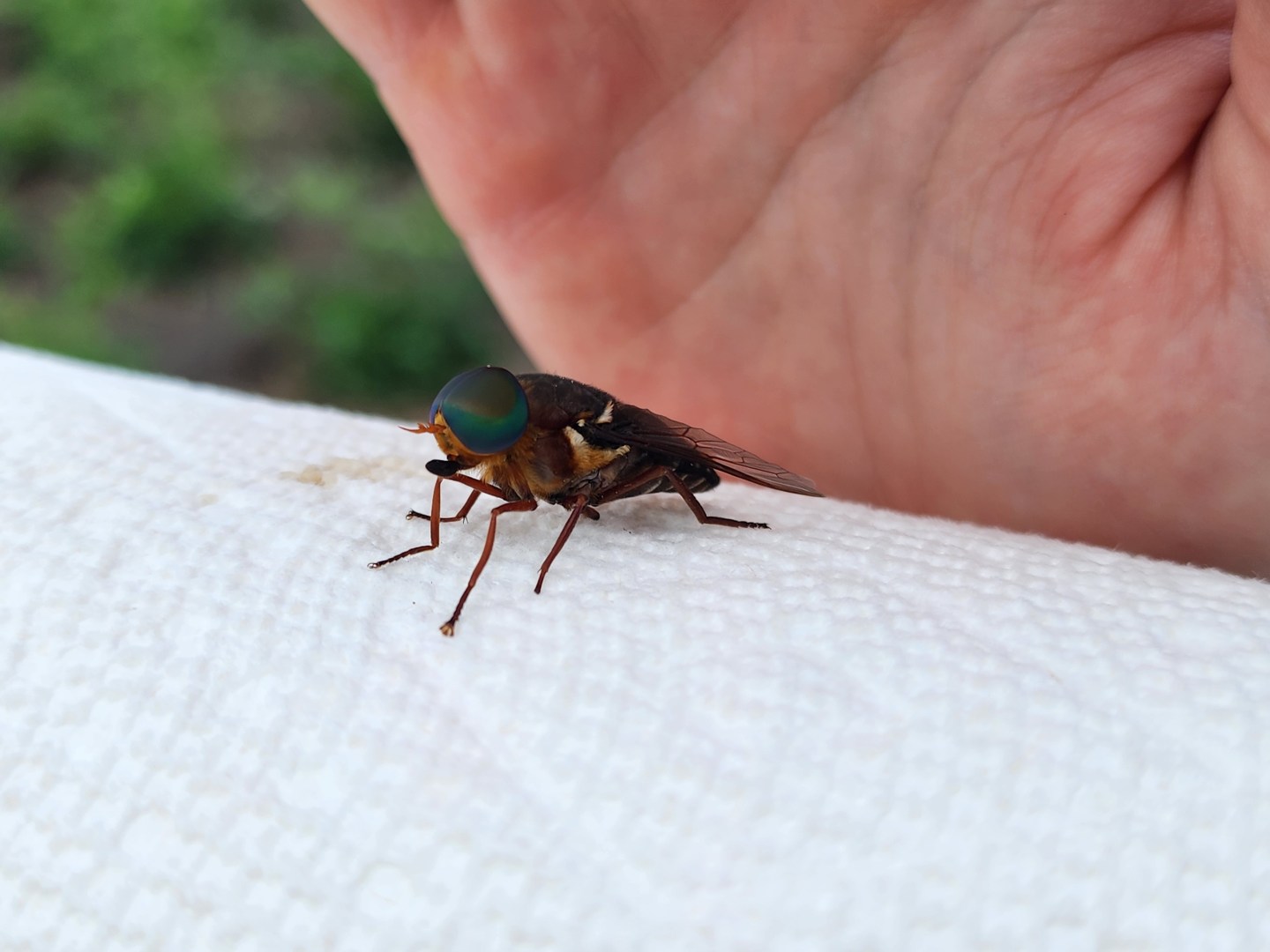
The emerald eyes are what drew me to this one. Like the carpenter bee, it’s the females that will put a hurt on you with their powerful bite. This one, unfortunately, seemed to have some sort of sickness that left it rather lethargic, but allowed for the photo. The genus is simply what they used to call horseflies in Latin and, obviously, the species indicates it is the American species.
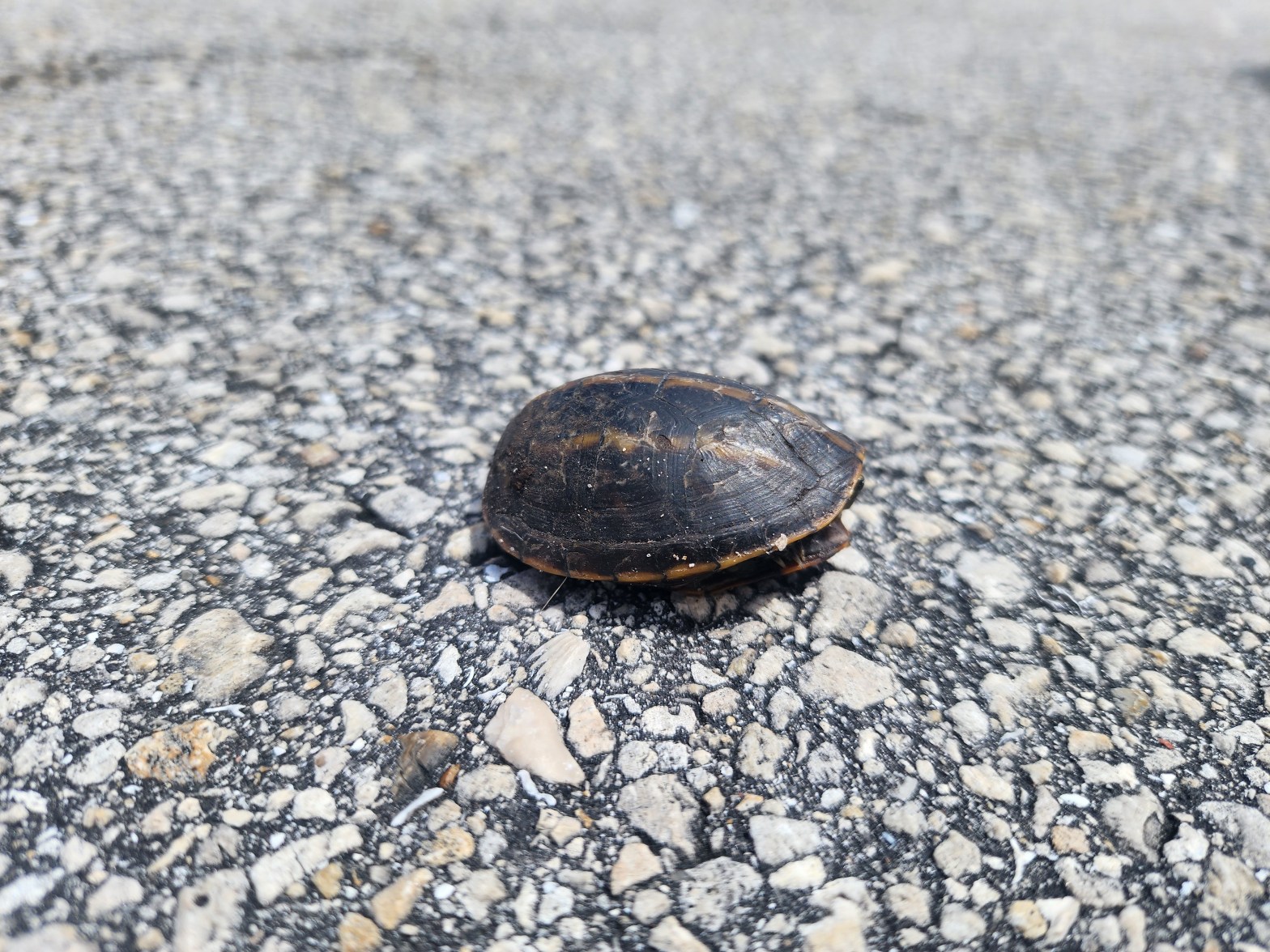
But, ok, I know you want to see some more traditionally cute things. The day after seeing all the bugs, we were leaving down a service road when the staff member in the leading truck sent out a text message saying to be cautious of turtles crossing the road. Right before we hit the main road we saw this tiny guy, not much bigger than a silver dollar crossing the road. I believe this is a young Florida mud turtle (Kinosternon steindachneri).
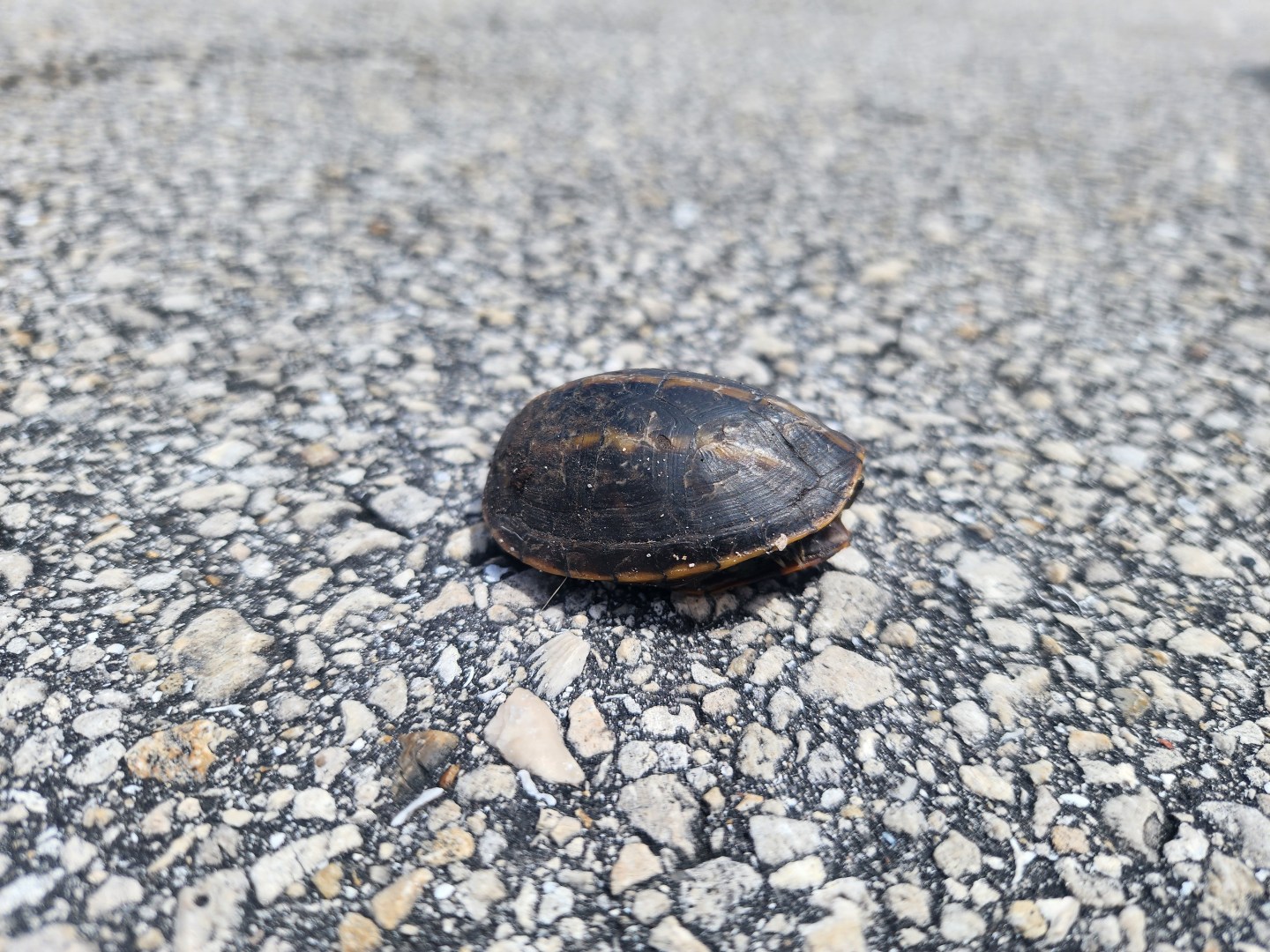
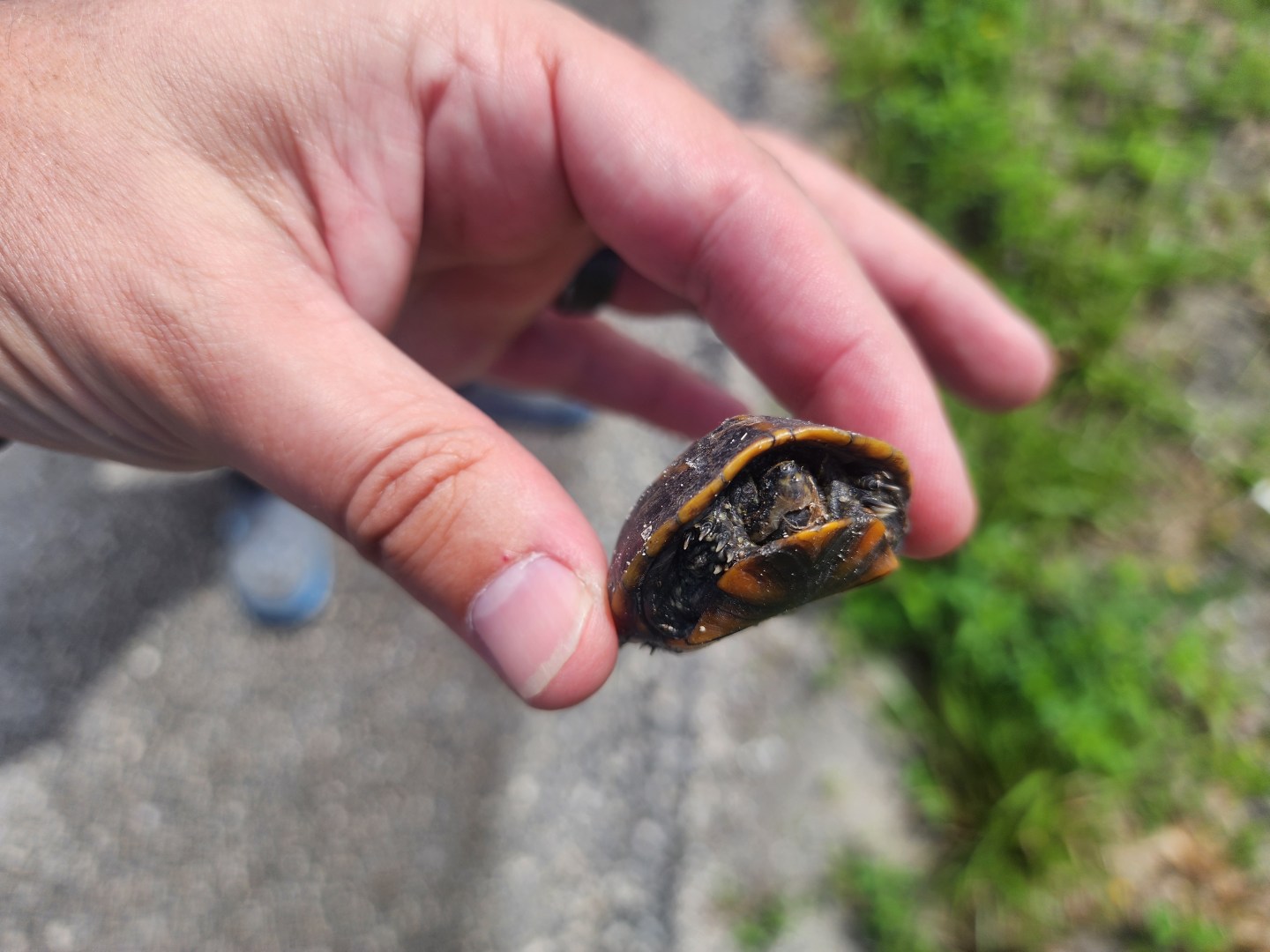
I should mention that I in no way endorse handling wildlife. However, there were several trucks utilizing this road, so we moved it for its own protection, and I took the photo opportunity. The genus name comes from the Greek kineo, meaning “to move”, and sternon, meaning “chest” . . . literally “moving chest”. This is for the hinged plastron (bottom part of the shell) that it can move up to protect the front part of the body, which you can see in the second photo. The species name honors the Austrian herpetologist Franz Steindachner.
I’ll end this post with another form of cuteness that I have not had the honor of seeing before. This one comes from a beach in Fort DeSoto. While I have seen and written about the adults, this season was the first time I was able to see juveniles of the Wilson’s Plover (Anarhynchus wilsonia).
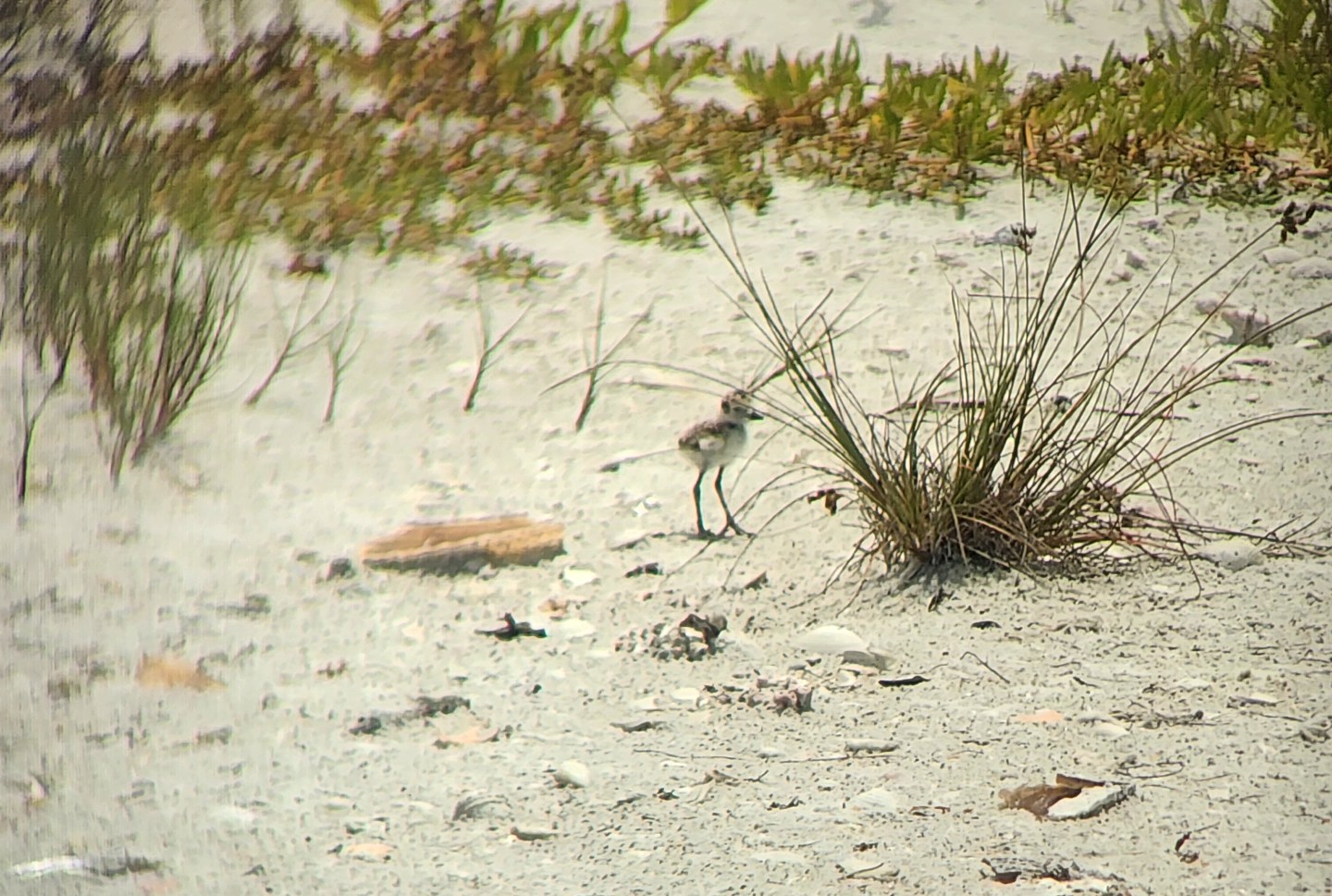
If the photos look a bit odd it’s because I didn’t have my camera with me and had to take these through binoculars with my phone. These babies were in an area that was roped off as a breeding area for Least Terns. It is imperative that these nesting areas not be disturbed by humans. So, while I was lucky and they were close enough to the edge that I could get photos this way, just know that I was well outside of their delineated protected area. I always find baby plovers so funny because they seem to be born with nearly adult-sized legs that they need to grow into later. The baby is well camouflaged in the photo below, but you can see the comparison. It’s basically just a tiny puff ball on stilts.
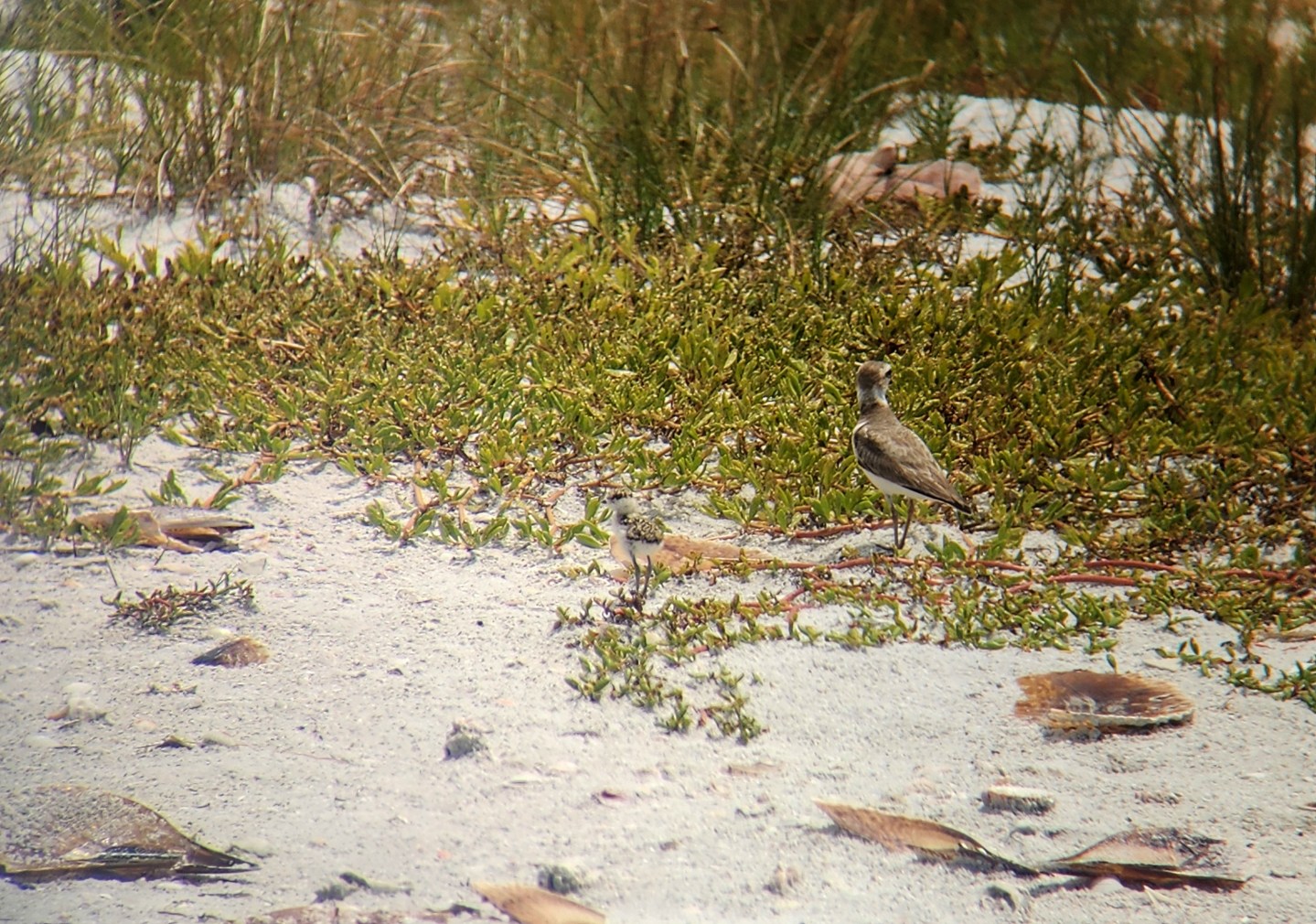
I’m not sure why (perhaps I was too excited about what I was sharing), but I suppose I didn’t mention the scientific name previously. Clearly the species name and common name have the same origin – honoring the Scottish-American ornithologist Alexander Wilson. The genus is odd. It comes from the Greek ana-, meaning “backwards”, and rhunkhos, meaning “bill”. While the bill is more robust than other plovers (the main means of identification), it certainly isn’t backwards. When I researched the name, I did find that this genus used to only include the wrybill, which does have a strangely distorted beak that is bent to the side – always to the right, actually. Still not really “backwards”, but certainly strange enough to be the reason for the name.
 BJ Quinton
